Research Network
.jpg)
Key Researchers
%20(1).jpeg)
Effie Apostolou is an Associate Professor of Molecular Biology at Weill Cornell Medicine with prior training on transcriptional regulation (PhD in Athens, Greece) and reprogramming (postdoc in Mass General Hospital and Harvard Stem Cell Institute). Her group investigates the critical interplay between 3D chromatin organization, epigenetic modulators and transcription during either (i) maintenance of cell fate (self-renewal) or (ii) during transition to a new fate during reprogramming, differentiation or tumorigenesis. The Apostolou group has made important contributions in dissecting the mechanisms that ensure faithful propagation of stem cell identity after cell division and functionally interrogated the role of mitotic bookmarking in this process (Molecular Cell, 2021; Stem Cell Reports 2020; Cell Reports 2017). In parallel, by generating cell-type specific 3D enhancer-promoter networks, her group recently identified complex hyperconnected 3D hubs topological assemblies as potential regulatory centers of cell identity, responsible for the coordinated and robust activation of multiple, cell-type specific gene expression modules (Molecular Cell 2025, Nature Structural and Molecular Biology, 2024, Nature Cell Biology 2019). Effie Apostolou has received several awards, including Jane Coffin Child Foundation and EMBO postdoctoral fellowships, the NIH Director’s New Innovator award, and the Emerging Leader award from the Mark Foundation.
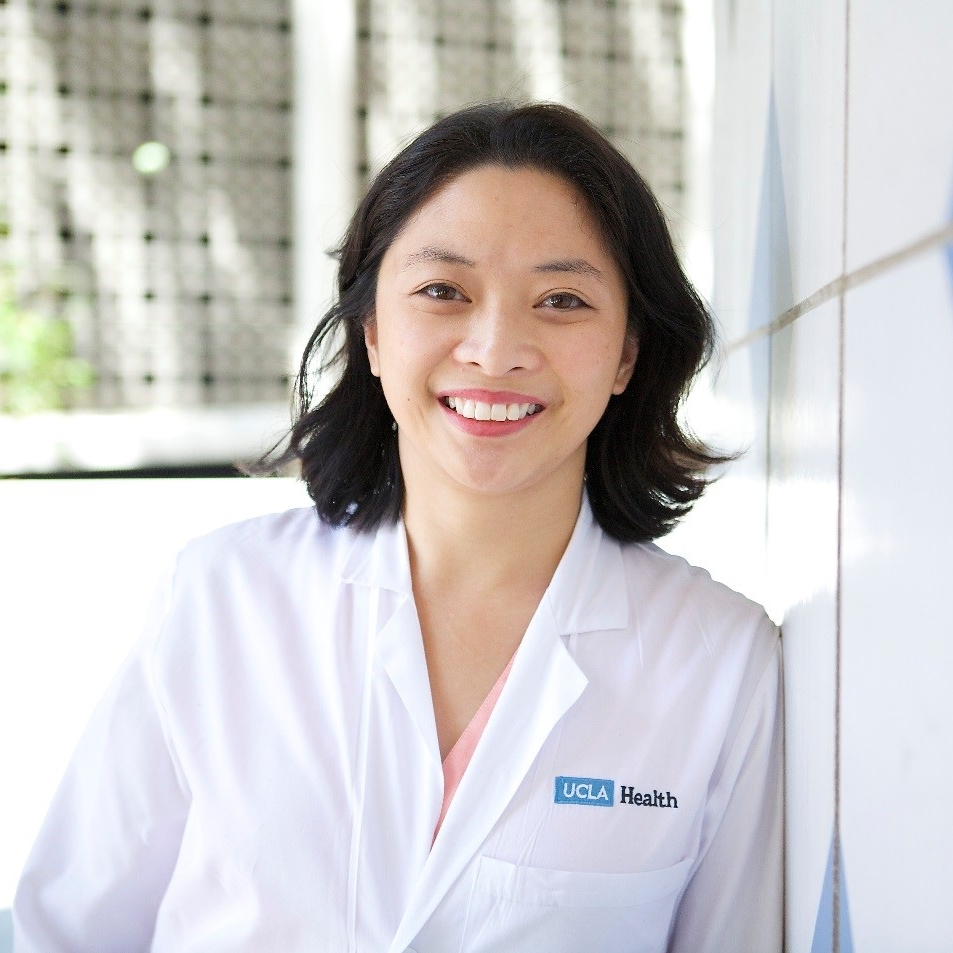
Dr. Arboleda is a physician and scientist trained in human genetics, genomics and clinical pathology. The overarching research goals in her lab is to integrate large-scale data sets to improve our biological understanding and clinical treatment of human disease. Dr. Arboleda says “In no other time in human history, we have such rich biological and clinical data, the bioinformatics tools to explore these relationships on a large scale, and the molecular genetic tools to rapidly, experimentally validate findings in model systems.”
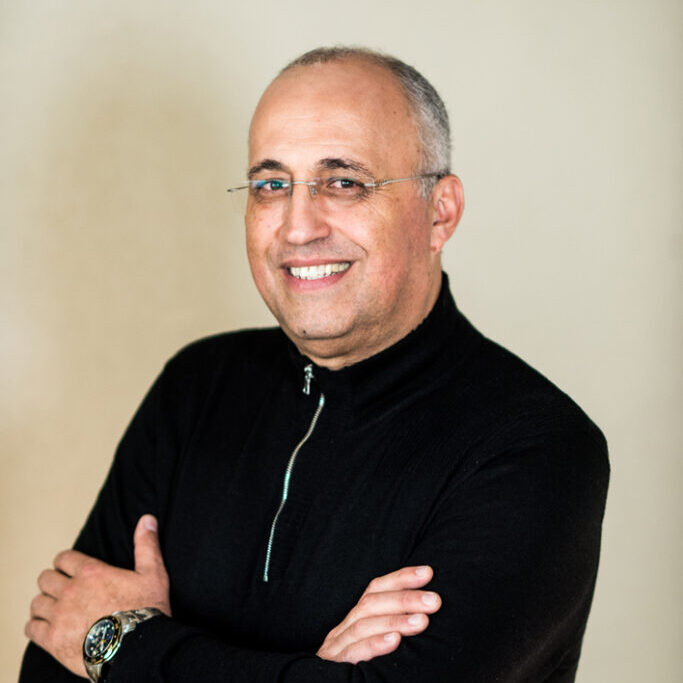
Dr. Yehuda G. Assaraf has special expertise in the molecular basis of anticancer drug resistance and novel strategies to overcome multidrug resistance phenomena. Professor Assaraf was the Dean of the Faculty of Biology at the Technion Institute in Israel from 2012 to 2019. He is currently serving as the Head of the Fred Wyszkowski Cancer Research Lab. Since 2017, Dr. Assaraf has been conducting multiplex analysis of the KAT6A mutation in children, including analysis of transcriptomics, interactomics, proteomics, and metabolomics in dermal fibroblasts and lymphocytes. In collaboration with the KAT6 Foundation, he is launching a metabolomics analysis on dermal fibroblasts from multiple patients harboring KAT6 mutations.
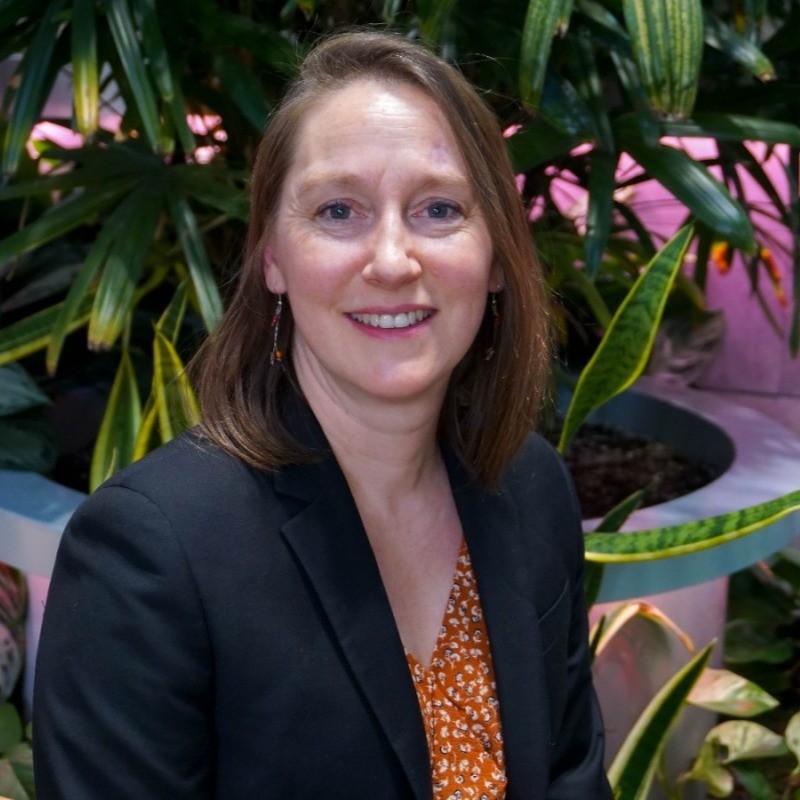
Faïza Benaliouad has completed her PhD in Neuroscience at the University of Montreal and then continued her research on the neural circuit of reward as a postdoctoral fellow at the National Institute on Drug Abuse in Baltimore, Maryland. Following her fellowship, Faïza joined the Department of Pharmacology and Therapeutics of McGill University to develop in vivo assays with FRET biosensors to study bias signaling of G-protein coupled receptors and to implement primary neural culture. Currently, Faïza is working within the High-Content Screening (HCS) group to develop assays with iPSCs-derived neural progenitor cells (NPCs) and NPC-derived neurons. She is also doing HCS of compound libraries.
Dr. Campeau and his team used exome sequencing to discover that a variant in the KAT6B gene causes genitopatellar syndrome (GPS), a finding published in 2012. Today, his lab focuses on epilepsy, epigenetic, and skeletal diseases, identifying disease-causing genes, understanding disease mechanisms, and improving care for affected children. Their work has uncovered genetic causes for several conditions, including GPS (KAT6B), a form of osteopetrosis (SLC29A3), osteogenesis imperfecta and early-onset osteoporosis (WNT1), Yunis-Varon syndrome (FIG4), and DOORS syndrome (TBC1D24). They are currently using murine models to further explore the functions of these genes.
Dr. Sarah Donoghue is an experienced pediatrician and clinical geneticist with specialized training in neurodevelopmental disability and metabolic genetics. She studied medicine at the University of Tasmania, graduating with honors, and has completed extensive pediatric and clinical genetics training, including fellowships at The Royal Children’s Hospital in Brisbane and Melbourne. Her clinical focus includes treatable causes of intellectual disability, complex developmental disorders, and the management of metabolic conditions in children and adults. Dr. Donoghue is currently pursuing a PhD investigating potential treatments that influence metabolism in chromatin machinery disorders and has published multiple peer-reviewed articles in her field. She is a member of national and international genetics and metabolism societies and works closely with families to support diagnosis, management, and further investigations for developmental and intellectual disabilities.
Dr. Thomas M. Durcan is an Associate Professor within the Montreal Neurological Institute (The Neuro) and McGill University. He is also Director of the Neuro’s Early Drug Discovery Unit (EDDU), focused on the use of human induced pluripotent stem cells (iPSCs) for fundamental and translational discovery project through partnerships with academia and industry. Founded under a decade ago, the group has established a cohort of 240+ iPSCs that have been advanced across different target or therapeutic assessment projects within the group and used to generate a wide range of neuronal and glial subtypes, in addition to more advanced 3D brain organoid models. In the context of KAT6A and KAT6B syndromes, his research is focused on the development and characterization of CA3 hippocampal neurons and how mutations in KAT6A or KAT6B might influence their normal function.
Dr. Harris specializes in patients with genetic and epigenetic disorders with neurologic and cognitive manifestations including Kabuki syndrome, Rubinstein-Taybi syndrome, Wiedemann-Steiner syndrome, Angelman syndrome, Kleefstra syndrome, Sotos syndrome, and KAT6A syndrome. Dr. Harris is interested in genetic and epigenetic causes of neurodevelopmental disorders and how specific genetic and epigenetic changes lead to specific neuroanatomic, neurophysiologic and cognitive phenotypes.
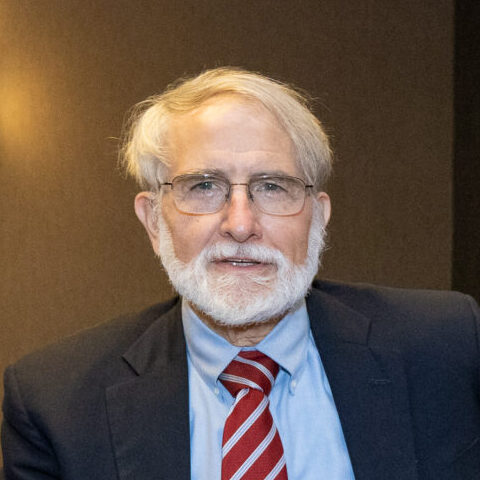
Dr. Kelley is the former director of Kennedy Krieger Institute’s Clinical Mass Spectrometry Laboratory. He is also a professor of pediatrics at Johns Hopkins University. Dr. Kelley’s research has focused on the elucidation of the biochemical basis of genetic disorders. Through biochemical analysis and mass spectrometry, Dr. Kelley has discovered the biochemical cause of more than a dozen diseases.
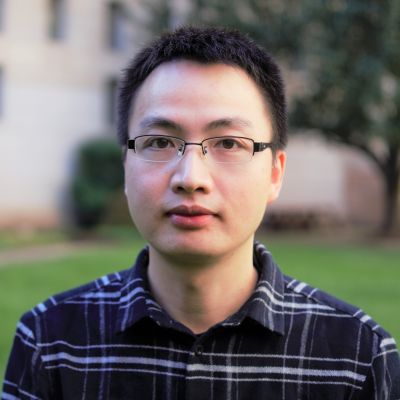
Dr. Liu is a postdoctoral fellow in the Department of Physiology at Johns Hopkins School of Medicine and a member of the Qiu Lab. His research focuses on understanding the role of epigenetic factors in the brain. In 2024, Dr. Liu and colleagues discovered that KAT6A plays a key role in supporting brain connections essential for memory and learning.
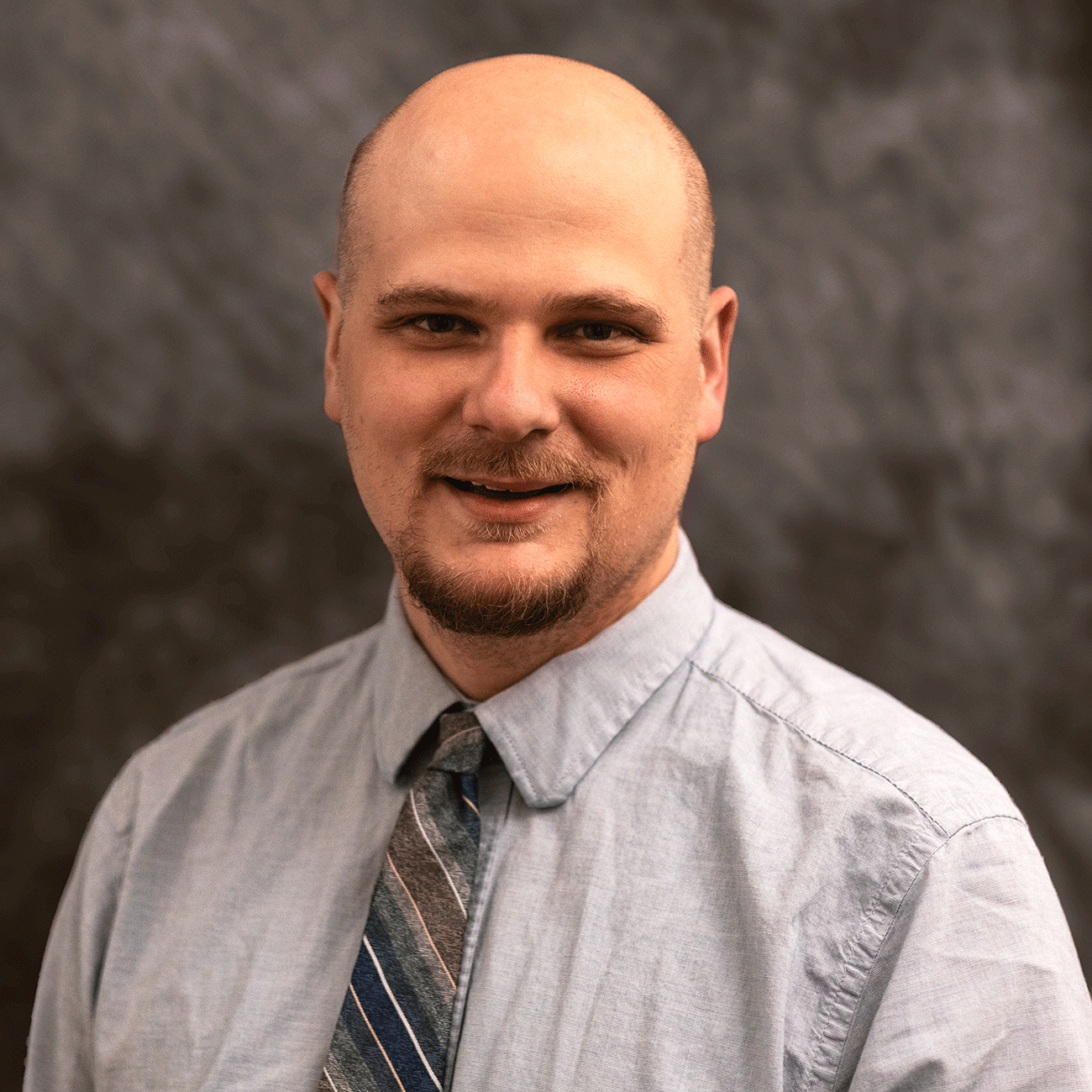
Dr. Marcogliese’s research focuses on unraveling the molecular and cellular mechanisms underlying neurological diseases using Drosophila melanogaster as a model organism. His work centers on developing mutant fruit fly models to study variants in the KAT6A and KAT6B genes and screen potential drug therapies.

Gilles Maussion is a Research Associate at McGill University specializing in developmental, cellular, and molecular biology applied to neurological and psychiatric disorders. He completed his education at the University Paris V René Descartes, where his PhD focused on molecular deregulations in the autistic brain and the subcellular mechanisms affected by these changes. In 2009, he joined the McGill Group for Suicide Studies as a postdoctoral fellow, gaining experience with human post-mortem brain samples and projects in epigenetics, microRNA, and non-coding RNA research. Since 2012, he has been part of the McGill Psychiatric Genetics Group, developing expertise in induced pluripotent stem cells and neuronal models to study molecular phenotypes associated with psychiatric disorders. His work combines developmental biology and mental health research to better understand the cellular and molecular mechanisms underlying brain function.

Dr. Mostoslavsky received his MD from the University of Tucuman in Argentina and his PhD from the Hebrew University in Jerusalem, Israel. His longstanding interest in basic science and regenerative medicine brought him to Harvard Medical School to pursue postdoctoral studies with stem cells and gene therapy. In 2008 Dr. Mostoslavsky opened his own lab at Boston University. He is currently Professor of Medicine in the Section of Gastroenterology in the Department of Medicine at Boston University School of Medicine. His main research interests are stem cells, disease modeling, regenerative medicine, gene correction and lentiviral vectors as tools for gene transfer. Dr. Mostoslavsky is a founder and Co-Director of the BU Center for Regenerative Medicine (CReM).
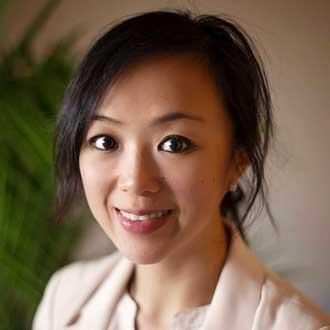
Dr. Ng is a pediatric neurologist whose research focuses on social-affective and cognitive development associated with genetic and neurological disorders. In collaboration with colleagues, she is studying the neuropsychological profile of children with KAT6A and KAT6B gene variations beginning in early infancy.
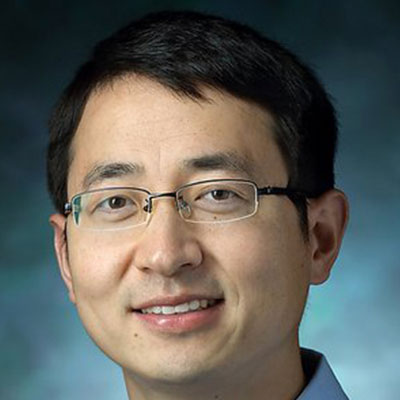
Dr. Qiu is an assistant professor and principal investigator of the Qiu Lab at Johns Hopkins University School of Medicine. His research focuses on ion channels and their roles in neurological disease, including discoveries with implications for stroke, cancer, and inflammation.
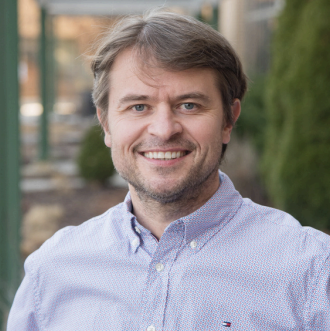
Dr. Sadikovic’s research centers on clinical epigenomics and DNA methylation episignatures for diagnosing genetic conditions. His work has demonstrated diagnostic utility for KAT6A and KAT6B mutations and led to the commercialization of the EpiSign analysis pipeline.
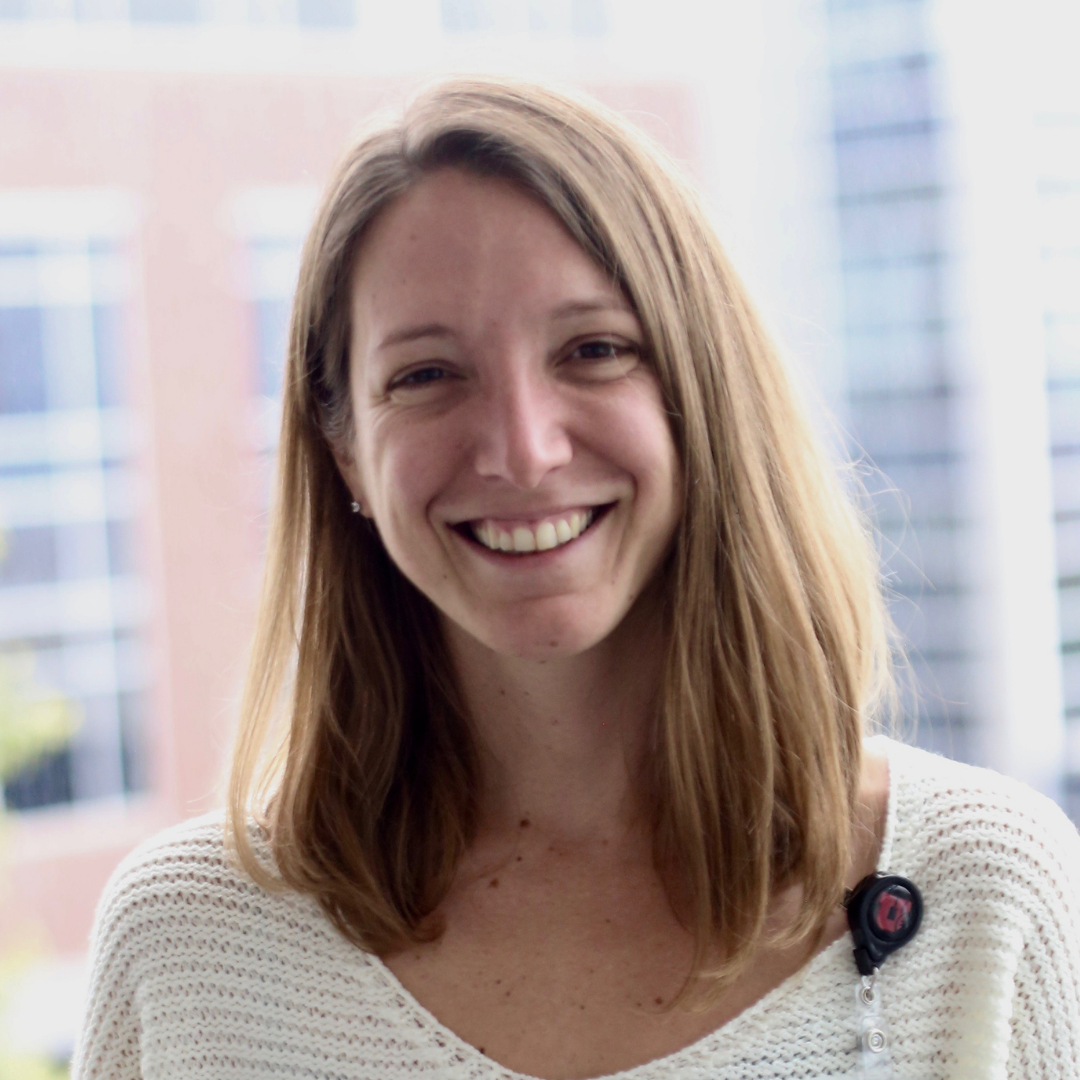
Dr. Angie Serrano leads a research program at the Serrano Lab within Boston University’s Center for Regenerative Medicine, focused on understanding the cellular and molecular mechanisms underlying rare, epigenetic-based disorders, including Kabuki syndrome and KAT6 syndromes. She established and maintains the KAT6 iPSC Bank, a critical resource supporting research across the rare disease community. Her work uses innovative disease models, including zebrafish and human iPSC-derived organoids, to study neurodevelopment and blood vessel formation.
Dr. Serrano is committed to advancing rare disease research through interdisciplinary collaboration, mentoring, and advocacy for diversity, equity, and inclusion, while strengthening connections between researchers, clinicians, and patient communities.
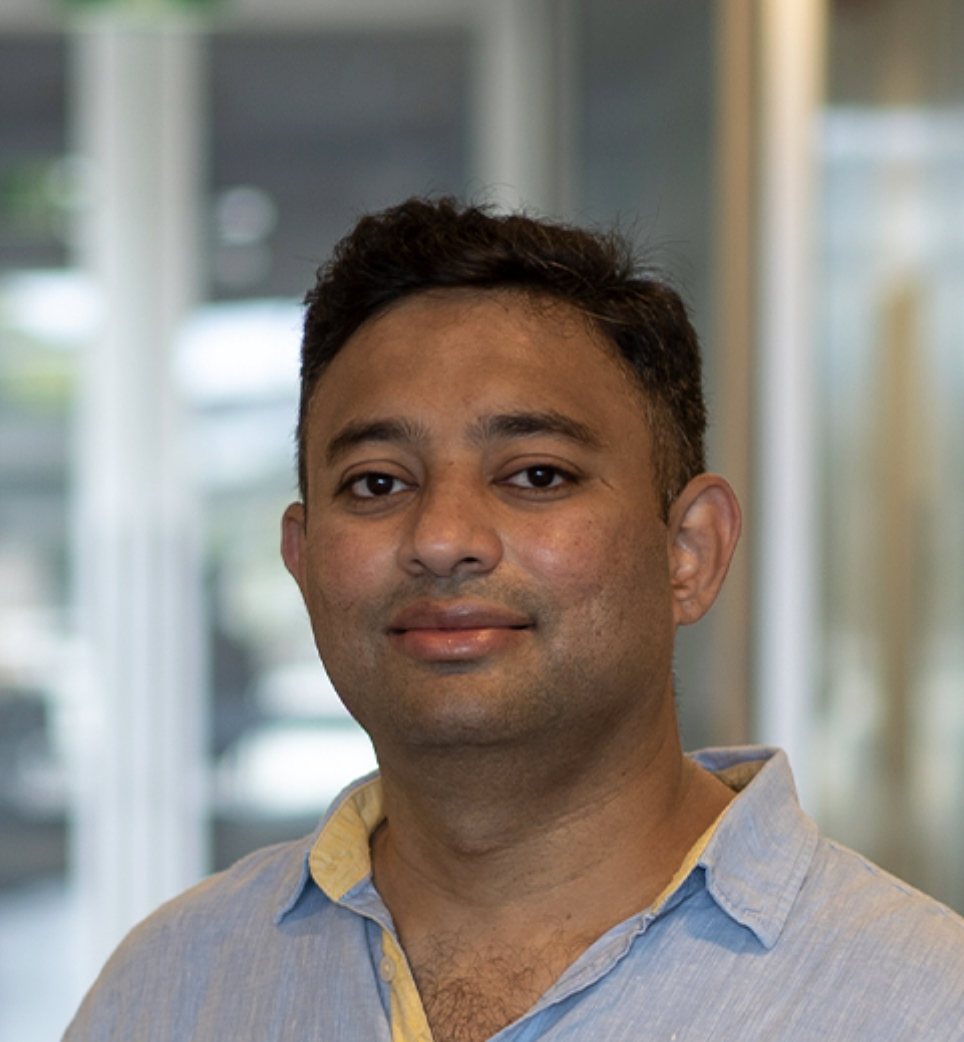
Shabih Shakeel is Lab Head at WEHI and an Associate Professor at the University of Melbourne, where he studies gene regulation using structural biology approaches. His research focuses on understanding virus-host interactions and the molecular mechanisms that control gene expression, employing techniques such as electron cryo-microscopy, electron cryo-tomography, and mass spectrometry. At WEHI, he leads a team applying these methods to uncover new insights into cellular regulation and therapeutic targets. His previous experience includes postdoctoral research on picornavirus structure and entry at the University of Helsinki and an MRC Career Development Fellowship at the MRC Laboratory of Molecular Biology. Shabih holds master’s degrees in Biotechnology and Computer Science from Jamia Millia Islamia and a PhD from the University of Helsinki.
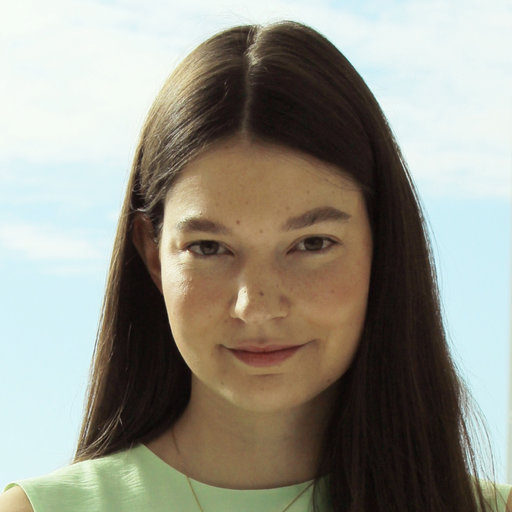
Dr Miya St John is a post-doctoral researcher and speech pathologist, with a background in speech pathology, genetics and neurodevelopmental conditions. She has been a researcher in the Speech and Language Group at the Murdoch Children’s Research Institute since 2016 as a Masters student, research assistant, PhD candidate and now a post-doctoral researcher in her own right. She has published key research on communication profiles in KAT6A and KAT6B gene variations.
Dr. Sánchez Alcázar’s lab has four lines of investigation: i) Role and modulation of autophagy and mitophagy in Mitochondrial disease physiopathology; ii) Apoptosis; iii) Lysosomal diseases; and iv) Molecular characterization of Neurodegeneration Brain Iron Accumulation (NBIA). Dr. Sánchez-Alcázar and his team led the Brain Cure project launched in 2014. Through this project, his team applies the concept of personalized medicine to develop treatment programs for rare genetic disorders.
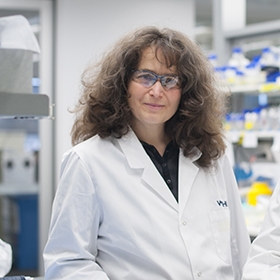
Dr. Voss investigates the genetic regulation of embryonic development, adult stem cells, and cancer with emphasis on chromatin modifications. She is Joint Head of the Epigenetics and Development Division at WEHI and has led major translational research initiatives.
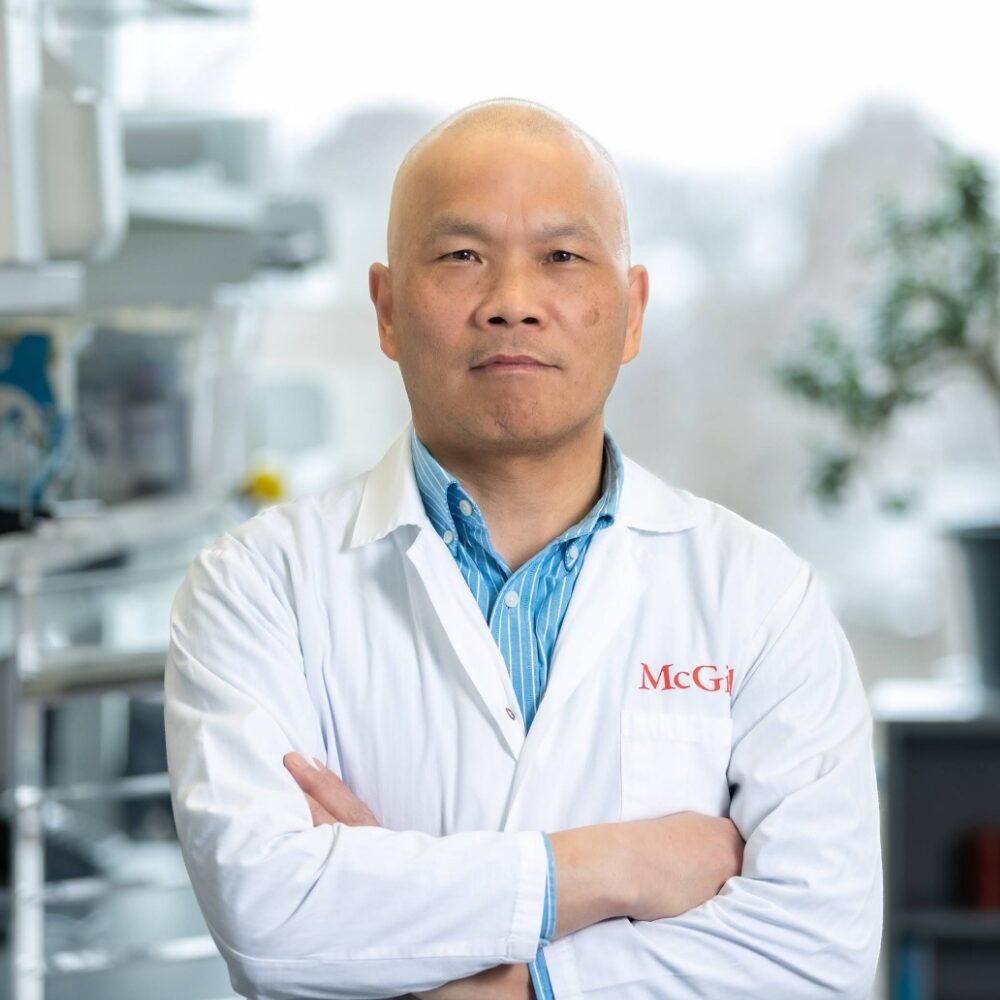
Dr. Xiang-Jiao Yang’s research centers on understanding how physiological and environmental signals enter individual cells in multicellular organisms and influence chromatin structure and gene expression in both normal and diseased states. His work focuses on deciphering the function and regulation of histone-modifying enzymes, particularly histone acetyltransferases and deacetylases. KAT6A and KAT6B are histone acetyltransferases, and a growing area of research in his laboratory explores how these enzymes and their regulators contribute to stem cell self-renewal and differentiation.