
KAT6A & KAT6B
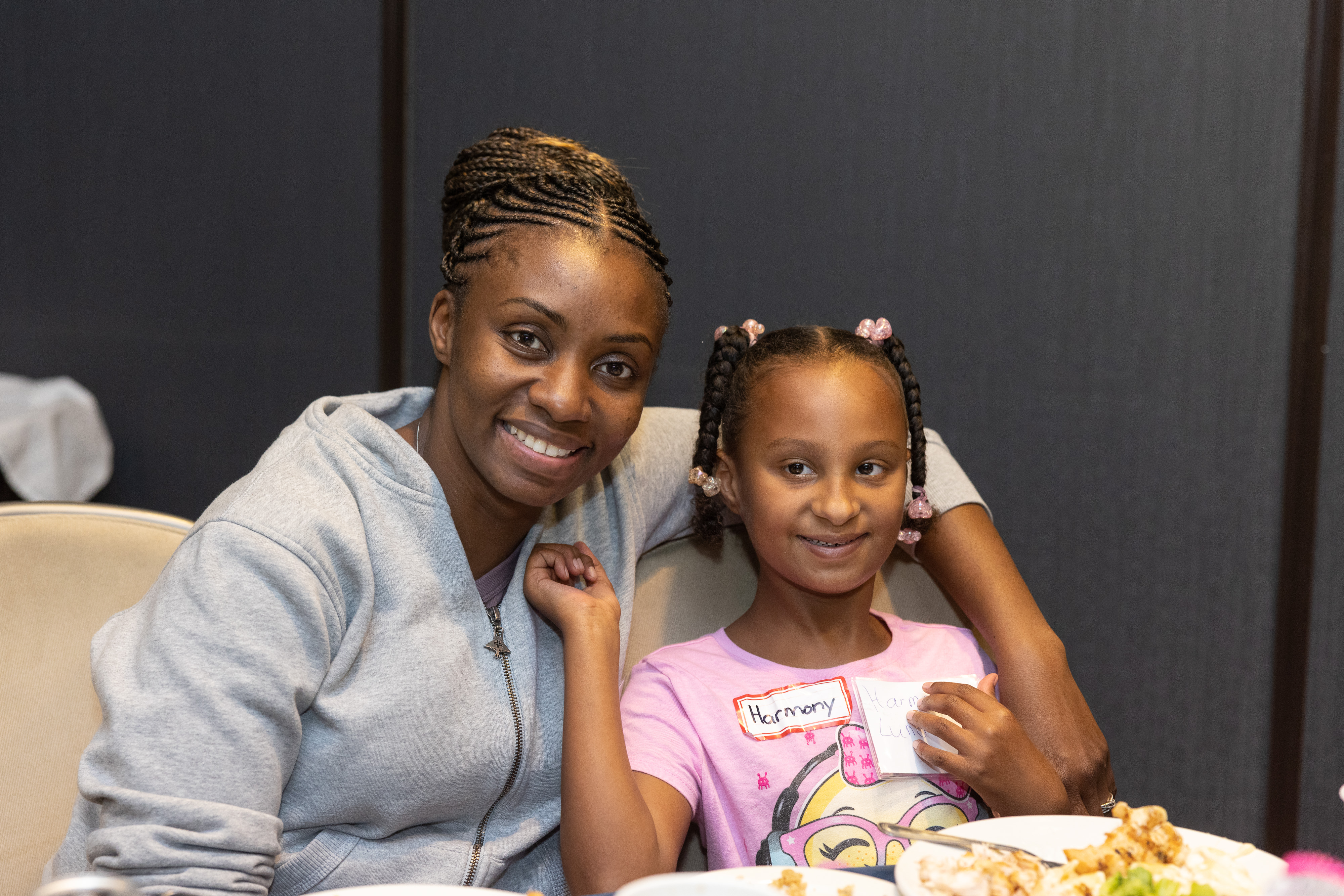

Children with KAT6A and KAT6B share many similarities. These two genes belong to the same family of epigenetic regulators, which means they help control how other genes work.
When there’s a change in one of these genes, it can affect many parts of development. While each syndrome has its own unique traits, there’s a great deal of overlap between them.
Most children with KAT6 experience some degree of speech and motor delay, low muscle tone, and feeding or gastrointestinal challenges, particularly in early childhood. Sleep challenges and vision issues are also common. Children with KAT6B more often have distinct skeletal or joint differences, including joint contractures, limb differences, or kneecap abnormalities.
Some children with KAT6 may also experience neurological findings, such as seizures or differences in brain structure. Musculoskeletal concerns, including joint laxity, scoliosis, contractures, or muscle tightness, may become more noticeable as children grow. Despite these potential medical findings, data from the KAT6A/KAT6B Patient Registry (2025) show that the majority of parents report their children are in good overall health.
It’s important to remember that every child is unique. The specific features, and how much they affect your child, can vary widely, even among children with the same genetic change. Your child will have their own combination of strengths, challenges, and personality. Families often describe their children as social, affectionate, and wonderfully resilient.
The charts below give a detailed overview of features seen in KAT6A and KAT6B, along with notes on when they tend to appear. Your family may find it helpful to download the chart and share it with your child’s medical team to guide care and track progress.
Reported Features in KAT6 Syndrome
Very Common = observed in 50%+ of individuals
Common = observed in 25-49% of individuals
Less Common = observed in 5-24% of individuals
Rare = observed in <5% of individuals
Reported Features in KAT6 Syndrome
Very Common = observed in 50%+ of individuals
Common = observed in 25-49% of individuals
Less Common = observed in 5-24% of individuals
Rare = observed in <5% of individuals